Varicose veins are a common condition affecting the venous system, and they often cause visible changes in the legs and feet. These enlarged, twisted veins occur when the valves inside the veins weaken or fail, causing blood to pool instead of flowing back to the heart. Understanding the nature of the condition and available management strategies helps patients find relief.
What Are Varicose Veins?
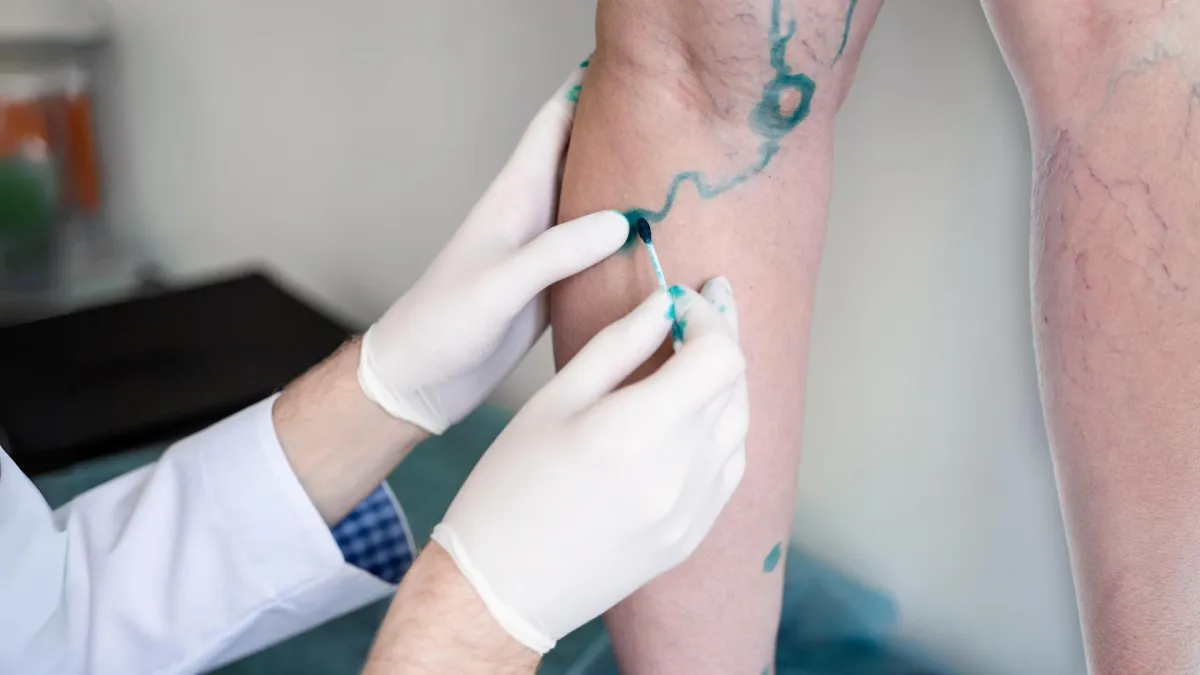
Varicose veins are veins that have become permanently dilated and tortuous, usually appearing blue or purple under the skin. They most commonly develop in the legs and feet, where the pressure on the veins is greatest during standing or walking. The condition indicates an underlying issue with venous insufficiency; this means the veins struggle to return blood from the legs to the heart against gravity.
The venous system relies on surrounding muscles and internal valves to circulate blood efficiently. In a healthy vein, muscle contractions act as pumps, and elastic vein walls help return blood to the heart. When these walls lose their elasticity, they stretch and separate the valves, leading to retrograde flow. This backward flow results in the characteristic bulging appearance associated with the condition.
What Causes Them?
The primary cause of varicose veins is the malfunction of one-way valves within the veins. When these valves do not close properly, blood flows backward and accumulates in the vein, causing it to stretch and swell. Risk factors such as age, family history, and prolonged standing contribute to valve deterioration, increasing risk. Pregnancy is another contributing factor, as it increases blood volume but reduces blood flow from the legs to the pelvis.
What Are the Symptoms?
While varicose veins present primarily as a cosmetic issue, some patients experience physical discomfort. Symptoms include aching, heavy legs, and a burning or throbbing sensation in the lower extremities. Swelling in the lower legs is also frequent, and it may worsen after sitting or standing for long periods.
What Are the Management Options?
Managing varicose veins begins with lifestyle modifications designed to improve circulation and muscle tone. Regular exercise is beneficial because it encourages blood circulation in the legs, which helps push blood back up toward the heart. Activities such as walking, swimming, or cycling are effective, as they engage the calf muscles without placing excessive stress on the joints.
Weight management is recommended, as excess weight places unnecessary pressure on the veins. Maintaining a healthy weight reduces the strain on the circulatory system. Dietary adjustments help manage symptoms and prevent the condition from worsening over time.
Elevating the legs is a simple way to improve blood flow and reduce pressure in the legs’ veins. Patients should aim to raise their legs above the level of the heart several times a day, for this position allows gravity to assist in venous return. Avoiding long periods of sitting or standing without movement is also advisable to prevent blood pooling.
How Is Professional Guidance Beneficial?
While home remedies can alleviate symptoms, consulting a healthcare professional provides access to a broader range of diagnostic and treatment tools. A specialist can perform a physical exam and use ultrasound technology to visualize the veins and check blood flow. This diagnostic step confirms the diagnosis, and it rules out other conditions, such as deep vein thrombosis.
Consult a Specialist Today
Varicose veins are a manageable condition, and early intervention may yield the desired results. Patients who experience persistent pain or notice worsening symptoms should seek medical advice to explore appropriate treatment plans. A specialist can tailor a management strategy that addresses specific needs, leading to improved comfort and vascular health.