
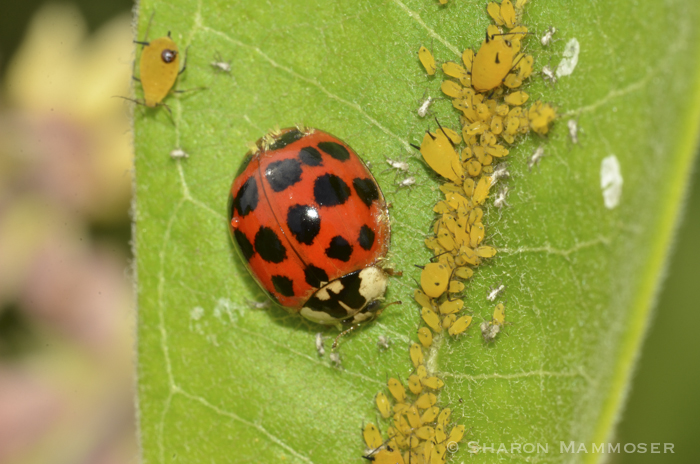
Ladybugs are one of the most loved insects in the world. Many people see them as symbols of good luck, happiness, and healthy gardens. But one question almost everyone asks is: What do ladybugs eat? Even though they are tiny, ladybugs play a big role in nature by helping control pests and protecting plants. Their diet is important for the environment, farming, and home gardens. This detailed guide explains everything about what ladybugs eat, how they hunt, why their diet matters, and what types of ladybugs have different eating habits.
What Do Ladybugs Eat?
The short answer: Ladybugs mainly eat small insects—especially aphids.
However, their diet is much more interesting and diverse than most people realize. Ladybugs are considered natural pest controllers, and they help maintain balance in the ecosystem.
Why Ladybugs Are Important Eaters
Ladybugs are essential because:
- They reduce harmful plant pests
- They limit the need for chemical pesticides
- They protect crops, gardens, and flowers
- They maintain healthy plant growth
Their diet makes them one of nature’s best helpers.
Main Foods Ladybugs Eat
1. Aphids (Their Favorite Food)
Aphids are tiny insects that suck nutrients from plants. Ladybugs eat thousands of aphids in their lifetime. Both adult ladybugs and larvae eat aphids.
2. Mites
Ladybugs also eat small mites that damage plant leaves.
3. Scale Insects
These insects attach to plants and drain them. Ladybugs help remove them by feeding on them.
4. Mealybugs
White cotton-like bugs often found on houseplants or fruit trees.
5. Fruit Flies
Ladybugs sometimes eat small flying insects like fruit fly eggs or larvae.
6. Thrips
These insects damage flowers and vegetables, and ladybugs help control them.
7. Fungal Growth
Some species of ladybugs eat fungi, like mildew.
Do Ladybugs Eat Plants?
Most ladybugs do not eat plants, but a few species do.
Plant-Eating Ladybugs
Some types feed on:
- leaves
- pollen
- fungi
- soft plant tissue
But these species are rare. The common garden ladybug is a plant protector, not a plant eater.
Do Ladybugs Drink Water?
Yes, ladybugs drink water. They often get water from:
- rain droplets
- dew on leaves
- moist environments
They need hydration, especially in hot weather.
What Baby Ladybugs (Larvae) Eat
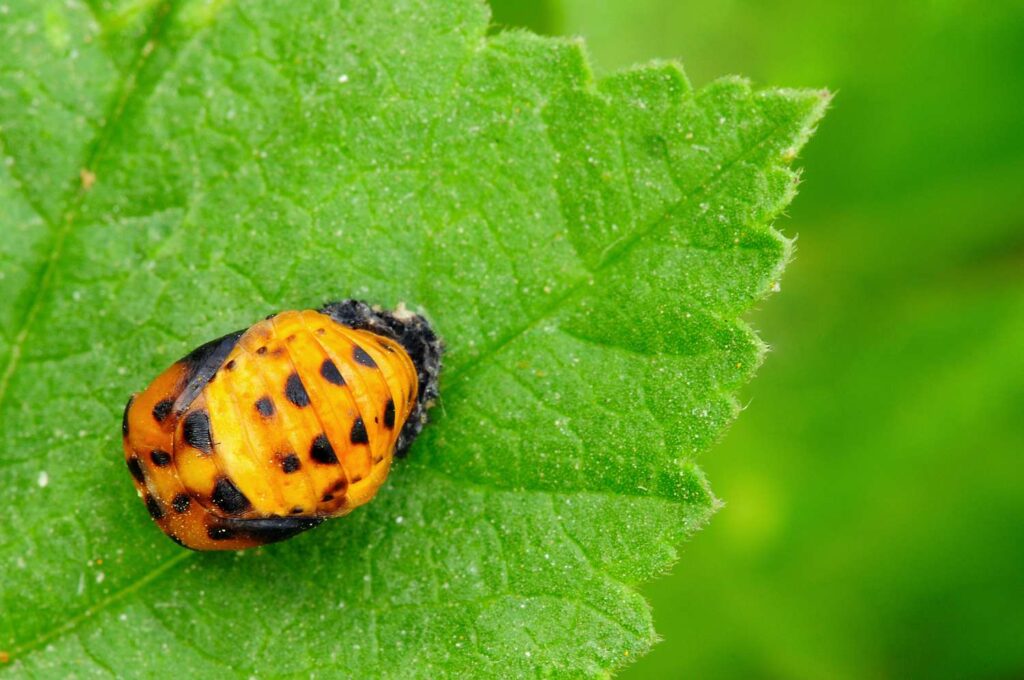
Ladybug larvae look nothing like adult ladybugs. They are long, spiky, and fast-moving. Their diet is similar to adults.
Ladybug Larvae Eat:
- aphids
- mites
- soft-bodied insects
- small eggs of pests
Larvae are even hungrier than adults and can eat more than 400 aphids before turning into pupae.
How Much Do Ladybugs Eat in a Day?
Adult Ladybugs
Eat between 20–50 aphids per day.
Ladybug Larvae
Eat between 30–60 aphids per day.
That’s why they are often used in gardens for natural pest control.
Do Ladybugs Eat Each Other?
Sometimes, yes.
Cannibal Behavior
Ladybugs may eat:
- other ladybug eggs
- weaker larvae
- unhatched young
This usually happens when food is limited.
Different Types of Ladybugs and Their Diets
1. Seven-Spotted Ladybug
Most common type. Eats mostly aphids.
2. Asian Lady Beetle
Eats aphids but may also eat plants or fruits occasionally.
3. Fungus-Eating Ladybug
Eats mildew and mold instead of insects.
4. Mexican Bean Beetle
A plant-eating species that damages bean crops.
5. Convergent Ladybug
Popular in agriculture, eats large amounts of pests.
Do Ladybugs Eat Blood or Human Food?
No. Ladybugs do not eat:
- human food
- blood
- skin
- food crumbs
They prefer insects and sometimes pollen or fungi.
Do Ladybugs Eat During Winter?
No. Ladybugs hibernate in winter and do not eat during cold months. They hide in:
- logs
- leaf piles
- inside walls
- under rocks
Before winter, they eat more to build energy stores.
Do Ladybugs Eat Pollen?
Yes, some ladybugs eat pollen, especially when insect prey is low.
Common Pollen Sources
- wildflowers
- garden blooms
- dandelions
Pollen gives ladybugs energy between meals.
What Do Ladybugs Eat Indoors?
If you see ladybugs inside your home, they are likely looking for warmth. Inside, ladybugs may eat:
- houseplant pests
- mites
- leftover insect eggs
However, they may starve indoors if there are no insects.
What to Feed Pet Ladybugs
If you keep ladybugs temporarily, you can feed them:
Best Foods
- aphids (from garden plants)
- raisins soaked in water
- honey-water mixture
- sugar water droplets
- soft fruit pieces
Avoid
- bread
- meat
- vegetables
- dairy
These foods do not match their diet.
How Ladybugs Hunt Their Food
Ladybugs are small but effective hunters.
Hunting Steps
- They use their antennae to smell prey.
- They crawl quickly toward insect colonies.
- They bite with their tiny jaws.
- They eat the pest slowly.
Ladybug larvae are especially fast hunters.
Why Ladybugs Are Good for Gardens
Ladybugs are often released in gardens and farms.
Benefits
- natural pest control
- safe alternative to chemicals
- protect vegetables and roses
- increase plant health
They are affordable and environmentally friendly.
What Attracts Ladybugs to Your Garden?
1. Plants That Attract Aphids
Ladybugs follow their food. Aphid-heavy plants include:
- roses
- lettuce
- tomatoes
2. Pollen-Rich Flowers
Ladybugs love:
- marigolds
- daisies
- dandelions
- cosmos
3. Safe Shelters
Ladybugs like leafy areas to hide.
4. No Pesticides
Chemicals kill ladybugs.
What Plants Ladybugs Protect
Ladybugs protect:
- vegetable gardens
- fruit trees
- flower beds
- shrubs
- houseplants
They reduce pest populations naturally.
What Happens If Ladybugs Don’t Get Enough Food?
Ladybugs may:
- fly away
- eat other ladybug eggs
- switch to pollen
- struggle to survive
Food shortages affect their reproduction and lifespan.
How Long Can Ladybugs Survive Without Food?
Ladybugs can survive several days without food, but survival depends on conditions.
With Water and Pollen
They can survive 1–2 weeks.
During Hibernation
They can survive months because their bodies slow down.
Ladybug Diet vs. Beetle Diet
Many beetles eat plants, but ladybugs mostly eat pests. This makes ladybugs more beneficial.
Ladybugs Are Special Because:
- they protect crops
- they eat harmful insects
- they reduce pesticide need
How Humans Benefit from Ladybugs
Ladybugs help:
- farmers reduce crop loss
- gardeners grow healthier plants
- ecosystems stay balanced
- homes stay free from pests
Their diet supports environmental health.
Conclusion
Understanding what ladybugs eat helps us appreciate their important role in nature. Ladybugs mainly eat aphids, mites, scale insects, and other small pests that damage plants. They also drink water, consume pollen when needed, and help keep gardens healthy. Both adult ladybugs and larvae are powerful natural pest controllers that protect crops, flowers, and home gardens. Knowing their diet helps gardeners attract them and use them as a safe, eco-friendly solution for plant care. Ladybugs may be small, but their appetite makes a big difference in the environment.