
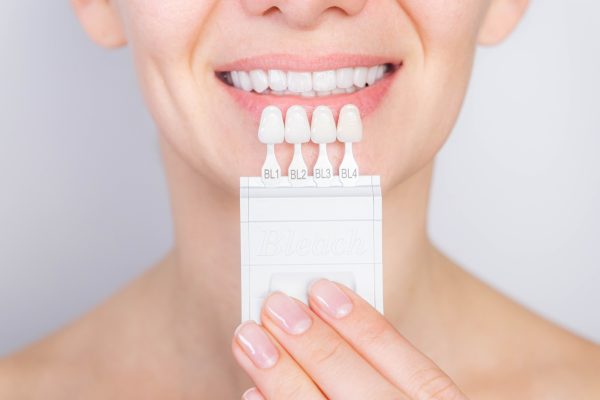
Dental veneers are thin caps bonded to the front of your teeth, and they are designed to improve your smile’s appearance. They can correct issues like chips, stains, or gaps. Because understanding how long they last helps you maintain their function, follow all care instructions.
Types of Veneers
Two primary materials are used for veneers, each offering unique characteristics and expected lifespans. Porcelain caps are strong shells created in a dental lab. They are designed for a precise fit and a natural look. Porcelain veneers are durable, but they are not immune to damage from biting hard objects, such as ice or pens. If the porcelain is damaged, it may need to be fully replaced. Composite veneers are made from a tooth-colored resin material that is applied and sculpted directly onto the tooth surface. These are commonly done in a single office visit. This makes them practical for minor changes, such as closing small gaps or reshaping teeth. Composite ones generally last several years, depending on your care and habits. Your dentist will help you decide which material best aligns with your goals, and they will consider oral health and personal preferences.
Factors Affecting Longevity
Several factors influence how long veneers last, and understanding them helps you maintain results. Daily habits affect the durability of your veneer. Using your teeth to open packaging or biting hard foods like nuts or candies creates pressure points. This might crack or chip porcelain and composite veneers. Wearing a mouthguard during sports is advisable if you participate in contact activities. Trauma to the mouth could impact veneers as it would natural teeth. Good oral hygiene helps prevent issues around the veneer edges, but it does not replace healthy dental tissue. Regular brushing and flossing remove debris and support gum health, which helps maintain fit and appearance. Attending scheduled follow-up appointments allows your dentist to address any potential concerns and support the ongoing health of your veneers and natural teeth.
Steps for Proper Care
Take specific actions to protect your veneers and support their appearance and function over time. Brush your teeth gently twice a day with a soft-bristled toothbrush. This removes food debris and plaque from caps and natural teeth. Floss at least once a day to support gum health around your caps and reduce the risk of decay or gum issues. Use a non-abrasive toothpaste, as abrasive formulas may dull the glossy surface. Follow all dentist recommendations.
Schedule regular dental check-ups, so your dentist can examine your caps and the surrounding teeth. During these visits, your dental care provider will clean and polish your veneers and monitor for any early changes that require attention. If there are minor chips or staining, your dentist may address these with professional polishing or repairs. Avoid habits that stress veneers, and don’t apply pressure to the caps or their bond.
Maintain Your Smile with Veneers
Your veneers offer a durable solution for enhancing your smile. Their lifespan depends on the material chosen and your commitment to care, so practice good oral hygiene. For questions about your caps or to schedule a follow-up visit, contact your dental office for guidance. Make an appointment today.