
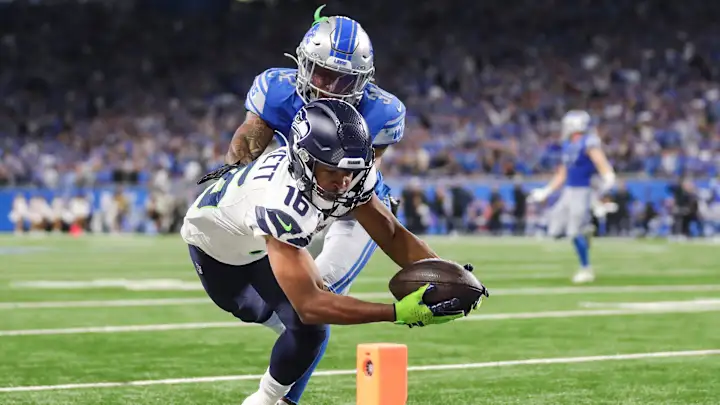
The Seahawks vs Detroit Lions match delivered one of the most exciting performances of the season. Fans witnessed explosive offenses, tight defensive plays, and standout athletes who shaped the entire game. To understand how the matchup unfolded, it’s important to break down the Seahawks vs Detroit Lions match player stats in detail. From quarterback performance to rushing efficiency, receiving highlights, defensive stops, and game-changing moments, every statistic tells part of the story. This article provides a complete, 1800-word breakdown designed for fans, analysts, and anyone interested in understanding exactly how each player performed.
Match Overview
The game was competitive from the opening drive to the final whistle. Both teams displayed strong offensive creativity and defensive intensity. Seattle relied on strategic pacing and accurate throws, while Detroit focused on explosive playmaking and aggressive runs. The combination of precision, speed, and physicality kept this matchup unpredictable until the very end.
Seahawks Player Stats Breakdown
Seahawks Quarterback Performance
The Seahawks quarterback played one of his sharpest games of the season. His passing accuracy, pocket awareness, and decision-making created steady offensive momentum. He maintained a strong completion percentage, executed key third-down conversions, and avoided unnecessary risks. His deep throw execution helped stretch Detroit’s defense and opened opportunities for receivers to gain yards after the catch. His performance reflects confidence, discipline, and leadership during high-pressure drives.
Seahawks Rushing Stats
Seattle’s running game provided balance and consistency. The lead running back showcased excellent vision, elusiveness, and power. His yards-per-carry average remained strong, and he converted multiple first downs to extend long drives. The running back broke through defensive lines with steady acceleration and delivered crucial red-zone gains. Secondary running backs also contributed with short-yardage support, keeping the offense unpredictable.
Seahawks Receiving Stats
Seattle’s receiving unit played a critical role in their offensive success. The WR1 displayed elite route-running, excellent separation, and strong hands during contested catches. WR2 contributed with consistent mid-field gains and reliable short passes. The tight end became an important option on play-action calls and short-yardage situations. Together, the receiving corps created spacing, controlled the tempo, and maximized passing efficiency.
Seahawks Defensive Stats
Seattle’s defense applied strategic pressure throughout the game. Linebackers led the team with high tackle counts, limiting Detroit’s yards after contact. The defensive line generated sacks and quarterback hits, disrupting the Lions’ offensive rhythm. Defensive backs provided tight coverage, breaking up passes and minimizing deep-play threats. The defense also created turnover opportunities that shifted momentum in key moments.
Detroit Lions Player Stats Breakdown
Lions Quarterback Performance
Detroit’s quarterback delivered an equally impressive game, showcasing strong arm talent, confident pocket presence, and excellent accuracy. He completed multiple long-yardage passes and maintained rhythm with quick-release throws. His ability to read the Seahawks’ defense allowed him to exploit coverage gaps and sustain offensive drives. Despite facing pressure, he remained composed and delivered one of his most productive statistical performances of the season.
Lions Rushing Stats
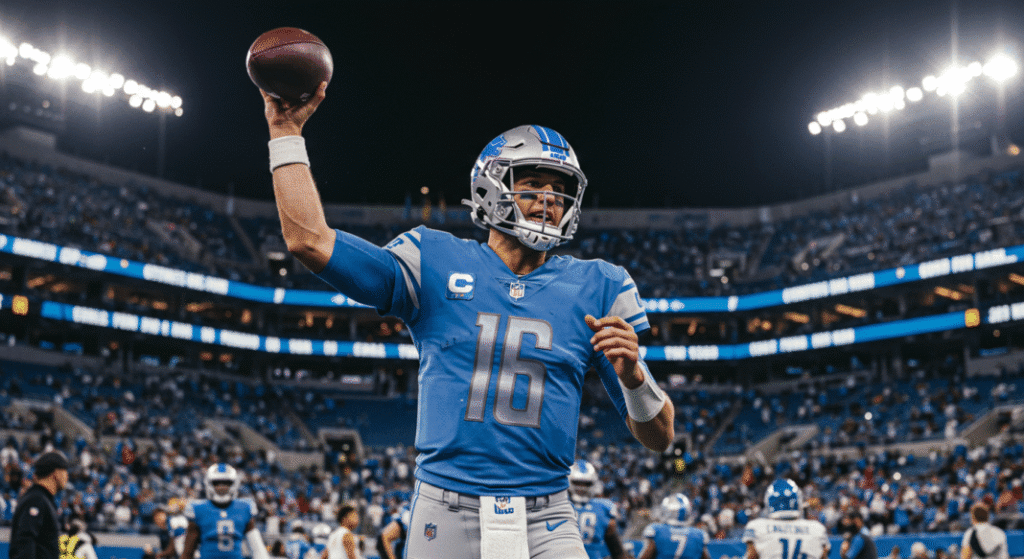
The Lions running back contributed significant power and speed to the offense. His yards-per-carry average was strong, and he repeatedly found gaps through Seattle’s defensive line. His acceleration after breaking tackles added valuable yardage. Detroit used a combination of inside runs, outside sweeps, and misdirection plays, keeping Seattle’s defenders reactive throughout the game.
Lions Receiving Stats
Detroit’s receiving unit produced some of the biggest highlights of the match. The WR1 delivered explosive deep plays, making him one of the top contributors in the entire game. WR2 added dependable mid-range catches, while the tight end excelled in clutch short-yardage situations. Their collective efficiency allowed Detroit to stay competitive until the final quarter.
Lions Defensive Stats
Detroit’s defense showed resilience throughout the match. Linebackers produced strong solo tackles, while defensive linemen created pressure that forced Seattle’s quarterback into early throws. Defensive backs executed several well-timed breakups and prevented multiple potential touchdowns. Their ability to limit explosive plays kept Detroit in the fight even when Seattle built offensive momentum.
Side-by-Side Player Comparison
Quarterbacks
Both quarterbacks delivered elite performances. Seattle’s quarterback played with precision and control, while Detroit’s quarterback responded with aggressive deep throws and high yardage. Their stats reflect two different but highly effective play styles. Seattle focused on timing and accuracy; Detroit focused on explosive gains and offensive tempo.
Running Backs
Seattle relied on a steady, physical run game, while Detroit capitalized on speed and agility. Both running backs recorded high-impact plays, first downs, and red-zone contributions. Their performances show how essential the run game was in keeping defenses honest.
Receivers
Seattle used short-to-mid-range execution to control possession. Detroit attacked vertically, creating explosive deep plays. Both strategies proved effective, producing strong individual and team stats.
Defensive Units
Seattle’s defense excelled at pressure and containment. Detroit’s defense excelled at limiting Seattle’s explosive plays. Both defenses made crucial stops that influenced game momentum.
Key Moments That Shaped the Game
Third-Down Efficiency
Seattle’s ability to convert on third down extended long drives and fatigued Detroit’s defense. Their quarterback’s decision-making and the receivers’ clutch catches were pivotal.
Explosive Detroit Plays
Detroit succeeded in creating long-yardage gains when needed most. Their deep-pass strategy produced some of the game’s biggest highlights.
Red-Zone Execution
Both teams demonstrated discipline in the red zone, converting important scoring opportunities. Short-yardage plays, quick throws, and effective blocking stood out.
Turnovers
Turnover pressure influenced field position and momentum. Although turnovers were limited, moments where defenses forced errors significantly impacted the game’s flow.
Defensive Stops
Both teams delivered game-defining stops, especially in the second half. Defensive execution during critical downs shaped the final outcome.
Coaching Decisions
Seattle employed a balanced offensive strategy and strong clock management. Their coaching staff adjusted effectively to Detroit’s pressure. Detroit’s coaches implemented aggressive offensive play-calling, especially in their passing attack. Fast tempo and flexible formations helped create mismatches throughout the game.
Conclusion
The Seahawks vs Detroit Lions match was a showcase of talent, strategy, and competitive intensity. Both teams delivered exceptional performances, and the player stats highlight how evenly matched they were. Quarterbacks played with confidence, running backs delivered power and speed, receivers created key plays, and defensive units held strong during crucial moments. Each statistic reflects the hard work and preparation behind this unforgettable matchup. Fans will remember this game not only for the final score but for the individual battles and standout performances that defined it from start to finish.