Managing debt is one of the most important financial skills you can learn. Whether it’s student loans, credit card bills, or a home mortgage, debt can easily become overwhelming if not handled properly. The good news? With the right plan and mindset, you can regain control, reduce stress, and start building a stronger financial future.
This guide explains how to manage debt effectively — step by step — in a simple, human way that anyone can understand and follow.
1. Understand Your Debt Clearly
Before you can manage debt, you first need to know exactly what you owe. Many people make the mistake of avoiding their debt out of fear or stress. But facing it head-on is the first and most crucial step.
Start by making a list of:
- Each loan or credit account
- The total amount owed
- The interest rate for each
- The minimum monthly payment
- The due date
Having all this information in one place helps you see the full picture. You’ll know which debts are costing you the most and which should be prioritized.
Tip: You can use a spreadsheet, a debt tracker app, or even a notebook. What matters most is consistency.
2. Create a Realistic Budget
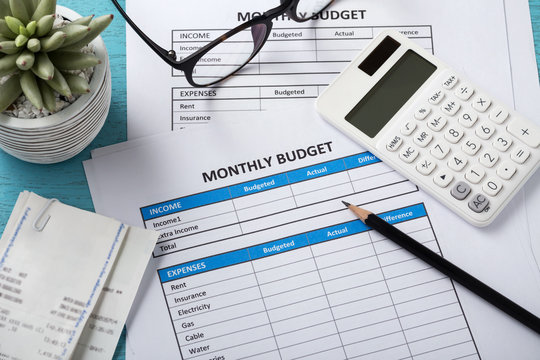
A budget is your best friend when managing debt. It tells your money where to go instead of wondering where it went.
To build a debt-friendly budget:
- List all your income sources (salary, freelance work, side business, etc.).
- List all your monthly expenses (rent, groceries, utilities, transportation, entertainment, etc.).
- Identify areas to cut back (eating out, subscriptions, or impulse shopping).
- Allocate funds toward debt payments.
The goal isn’t just to pay the minimum; it’s to free up extra money to pay more toward high-interest debt.
Example: If you skip a $50 restaurant outing each week, that’s $200 a month — enough to make an extra payment on your credit card. Over time, that can save you hundreds in interest.
3. Prioritize Your Debts Strategically
Not all debts are created equal. To manage debt effectively, you need a strategy. There are two proven methods:
a. The Debt Snowball Method
This approach focuses on paying off your smallest debts first while continuing minimum payments on others.
- Why it works: You gain motivation and momentum by quickly eliminating smaller debts.
- Best for: People who need psychological wins to stay motivated.
b. The Debt Avalanche Method
This focuses on paying off high-interest debts first (like credit cards).
- Why it works: You save more money in interest and get out of debt faster.
- Best for: People focused on efficiency and long-term savings.
Both strategies work — the key is to pick one and stick with it.
4. Negotiate with Creditors
If you’re struggling to make payments, don’t ignore your creditors. Most lenders prefer to work out a payment plan rather than risk you defaulting.
You can:
- Ask for lower interest rates (especially if you have a good payment history).
- Request a temporary hardship plan if you’re facing financial difficulties.
- Consolidate your debt into one lower-interest loan (more on that below).
A simple phone call explaining your situation can sometimes lead to reduced payments or waived fees. Remember, creditors appreciate honesty and effort.
5. Consider Debt Consolidation
If you have multiple debts with high interest rates, debt consolidation can simplify your life. This means combining all your debts into one single loan — ideally with a lower interest rate.
How it helps:
- You’ll have one monthly payment instead of many.
- You can potentially reduce your total interest.
- It’s easier to stay organized and avoid missed payments.
However, be cautious: Consolidation is helpful only if you stop taking on new debt. Otherwise, you could end up in deeper financial trouble.
6. Build an Emergency Fund
It might seem strange to save money while paying off debt, but having an emergency fund is essential. Without one, unexpected expenses (like car repairs or medical bills) could push you right back into debt.
Start small:
- Aim for $500 to $1,000 at first.
- Over time, build it up to 3–6 months of expenses.
Keep it in a separate savings account that’s easy to access in emergencies — but not too easy to dip into for non-essentials.
7. Cut Unnecessary Expenses
To pay off debt faster, you might need to make temporary lifestyle adjustments. Review your spending habits and ask yourself:
“Do I really need this right now?”
Here are some easy ways to cut costs:
- Cook at home instead of dining out.
- Cancel unused subscriptions or memberships.
- Buy generic brands instead of name brands.
- Use public transportation or carpool when possible.
- Shop during sales or use cashback apps.
Every dollar you save is a dollar you can use to pay off debt.
8. Increase Your Income
Sometimes, cutting expenses isn’t enough — especially if your income barely covers your essentials. That’s when finding ways to earn more can make a huge difference.
Consider:
- Freelancing or part-time jobs
- Selling unused items online
- Starting a small side hustle
- Asking for a raise if your work justifies it
Even an extra $100 a month can speed up your debt repayment journey significantly.
9. Avoid Taking on New Debt
It’s hard to make progress if you keep adding new debt while paying off old ones. Avoid using credit cards unless absolutely necessary, and resist taking out new loans.
Tips to stay disciplined:
- Leave your credit card at home when shopping.
- Switch to debit or cash-only spending.
- Unsubscribe from tempting marketing emails.
- Remind yourself of your financial goals.
The key is self-control — each time you say “no” to new debt, you say “yes” to freedom.
10. Stay Consistent and Celebrate Progress
Paying off debt is not a sprint — it’s a marathon. There will be challenges along the way, but staying consistent will lead to success.
Track your progress monthly:
- Watch your balances drop.
- Celebrate small milestones.
- Reward yourself (in budget-friendly ways) for hitting goals.
Even small victories — like paying off a single credit card or reducing a loan by half — deserve celebration. They prove that your hard work is paying off.
Conclusion
Managing debt effectively isn’t about being perfect; it’s about being persistent. By understanding your financial situation, creating a budget, prioritizing payments, and building better money habits, you can slowly but surely take control of your finances.
Remember: Debt doesn’t define you. What matters is how you handle it moving forward. With discipline, patience, and a solid plan, financial freedom is absolutely possible.
Frequently Asked Questions (FAQs)
1. What’s the best way to start managing debt?
Start by listing all your debts, their interest rates, and due dates. Then, create a budget and choose a repayment strategy — like the snowball or avalanche method.
2. Should I pay off small debts or high-interest debts first?
If you want quick motivation, start with small debts (snowball method). If you want to save the most money, start with high-interest debts (avalanche method).
3. Can I get out of debt without debt consolidation?
Yes! Many people pay off debt successfully through budgeting, cutting expenses, and increasing income. Consolidation is just one of several tools.
4. How long does it take to pay off debt?
It depends on how much you owe, your income, and how aggressively you pay it down. With consistency, most people see major progress within 1–3 years.
5. What if I feel overwhelmed by my debt?
You’re not alone. If you’re struggling emotionally or financially, talk to a financial counselor or credit advisor. They can help you make a clear, customized plan.