
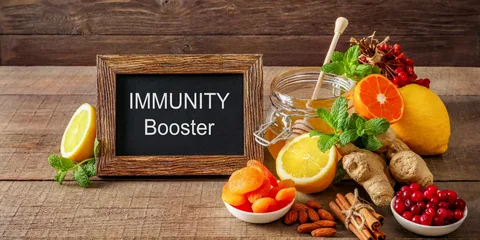
In today’s fast-paced world, keeping your immune system strong is more important than ever. A robust immune system helps your body fight infections, reduce inflammation, and maintain overall health. While there’s no magic pill for immunity, there are natural ways to strengthen your body’s defense system. This article will guide you through practical, easy-to-follow strategies to boost your immune system naturally.
Understanding Your Immune System
Before diving into tips, it’s important to understand what your immune system does. Your immune system is a complex network of cells, tissues, and organs that work together to defend your body against harmful invaders like bacteria, viruses, and toxins. When it functions well, you’re less likely to get sick and recover faster when you do.
Several factors affect your immunity, including age, genetics, stress levels, sleep quality, diet, and lifestyle. The good news is that many of these factors can be improved through natural methods.
1. Eat a Balanced and Nutrient-Rich Diet
Food plays a crucial role in keeping your immune system strong. A diet rich in vitamins, minerals, and antioxidants provides your body with the tools it needs to fight off infections.
- Vitamin C: Found in citrus fruits, strawberries, bell peppers, and broccoli, vitamin C helps stimulate the production of white blood cells, which are essential for fighting infections.
- Vitamin D: Essential for immune function, vitamin D is found in fatty fish, fortified dairy products, and through sun exposure.
- Zinc: This mineral supports immune cell development. You can find zinc in pumpkin seeds, nuts, beans, and whole grains.
- Probiotics: These “good bacteria” found in yogurt, kefir, and fermented foods help maintain gut health, which is closely linked to immunity.
Avoid excessive processed foods, sugary drinks, and unhealthy fats, as they can weaken your immune system over time.
2. Stay Physically Active
Regular exercise is not just good for your muscles and heart—it also strengthens your immune system. Exercise improves blood circulation, which allows immune cells to move freely and detect infections more efficiently.
Simple activities like walking, jogging, cycling, or yoga for at least 30 minutes a day can make a big difference. However, avoid overtraining, as excessive exercise without rest can weaken immunity.
3. Get Adequate Sleep
Sleep is one of the most underrated factors affecting your immune system. During sleep, your body produces cytokines—proteins that target infection and inflammation. Lack of sleep reduces the production of these protective cytokines, leaving you more vulnerable to illness.
Aim for 7–9 hours of quality sleep each night. Establishing a sleep routine, avoiding screens before bedtime, and creating a calm sleeping environment can help improve your sleep quality.
4. Manage Stress Effectively
Chronic stress can suppress your immune system and make you more susceptible to infections. Stress triggers the release of cortisol, a hormone that, in high amounts, can impair immune function.
Here are natural ways to manage stress:
- Meditation and deep breathing: Even 10 minutes a day can lower stress levels.
- Spending time in nature: Walks in the park or gardening can help calm your mind.
- Hobbies and social connections: Engaging in enjoyable activities and maintaining healthy relationships support mental well-being.
5. Stay Hydrated
Water is essential for every function in your body, including immune defense. Staying hydrated helps flush out toxins and supports the health of your mucous membranes, which act as the first barrier against infections.
Aim to drink at least 8 glasses of water per day. Herbal teas and water-rich fruits like watermelon and cucumber can also contribute to your daily hydration.
6. Use Natural Immune-Boosting Supplements
While whole foods should be your primary source of nutrients, certain natural supplements can provide additional support:
- Echinacea: May help reduce the duration of colds.
- Garlic: Contains compounds that enhance immune cell activity.
- Ginger: Has anti-inflammatory properties that support immunity.
- Turmeric: Curcumin, found in turmeric, has potent antioxidant effects.
Always consult a healthcare provider before starting any supplement, especially if you have existing medical conditions.
7. Maintain Good Hygiene
Simple hygiene practices can prevent infections and reduce the burden on your immune system:
- Wash your hands regularly.
- Avoid touching your face with unwashed hands.
- Keep your living and working environment clean.
Prevention is often the best way to support immunity naturally.
8. Avoid Harmful Habits
Certain lifestyle habits can weaken your immune system:
- Smoking: Damages your lungs and impairs immune function.
- Excessive alcohol: Can suppress the immune system.
- Overeating processed foods: Leads to inflammation and reduces immune efficiency.
Adopting healthier habits can significantly enhance your body’s ability to fight infections.
Conclusion
Boosting your immune system naturally is all about consistent, healthy lifestyle choices. Eating a balanced diet, staying active, getting enough sleep, managing stress, staying hydrated, and avoiding harmful habits can help your body stay strong and resilient. Remember, immunity is not built overnight—it’s the result of long-term habits that support your overall well-being.
By incorporating these natural strategies, you’ll not only strengthen your immune system but also improve your overall quality of life.
FAQs
1. Can I boost my immune system quickly?
There’s no instant solution. While certain foods or supplements can give temporary support, lasting immunity comes from consistent healthy habits.
2. Does exercise really improve immunity?
Yes, regular moderate exercise boosts circulation and supports immune cell function, helping your body fight infections more effectively.
3. Are supplements necessary for immune health?
Supplements can help if you’re deficient in certain nutrients, but whole foods should be your primary source. Always consult a doctor before taking them.
4. How does stress affect the immune system?
Chronic stress increases cortisol levels, which can suppress immune cell activity and make you more susceptible to illness.
5. Is sleep really that important for immunity?
Absolutely. During sleep, your body produces proteins and cells that target infections and inflammation. Poor sleep weakens your immune defenses.